 RESEARCH SCIENTIST - context, inspiration, vision
A few notes to offer some context on DIVERSE-CDT and the Research Scientist we seek to complete the team at our Doctoral Training Centre.
The formal details are available through this official Advert and Application Pack.

The Centre for Doctoral Training
DIVERSE-CDT is an ambitious 9-year research and training project that is developing the next generation of visualization researchers.
We are doing so by attracting, equipping and supporting students who come to us with diverse backgrounds, skill-sets and experiences, to undertake high quality applied visualization research with diverse partners in diverse contexts.
With funding of more than £10M* we are well resourced to design and deliver an innovative and attractive PhD at our host institutions: The University of Warwick and City St George's, University of London.
Our new centre involves :
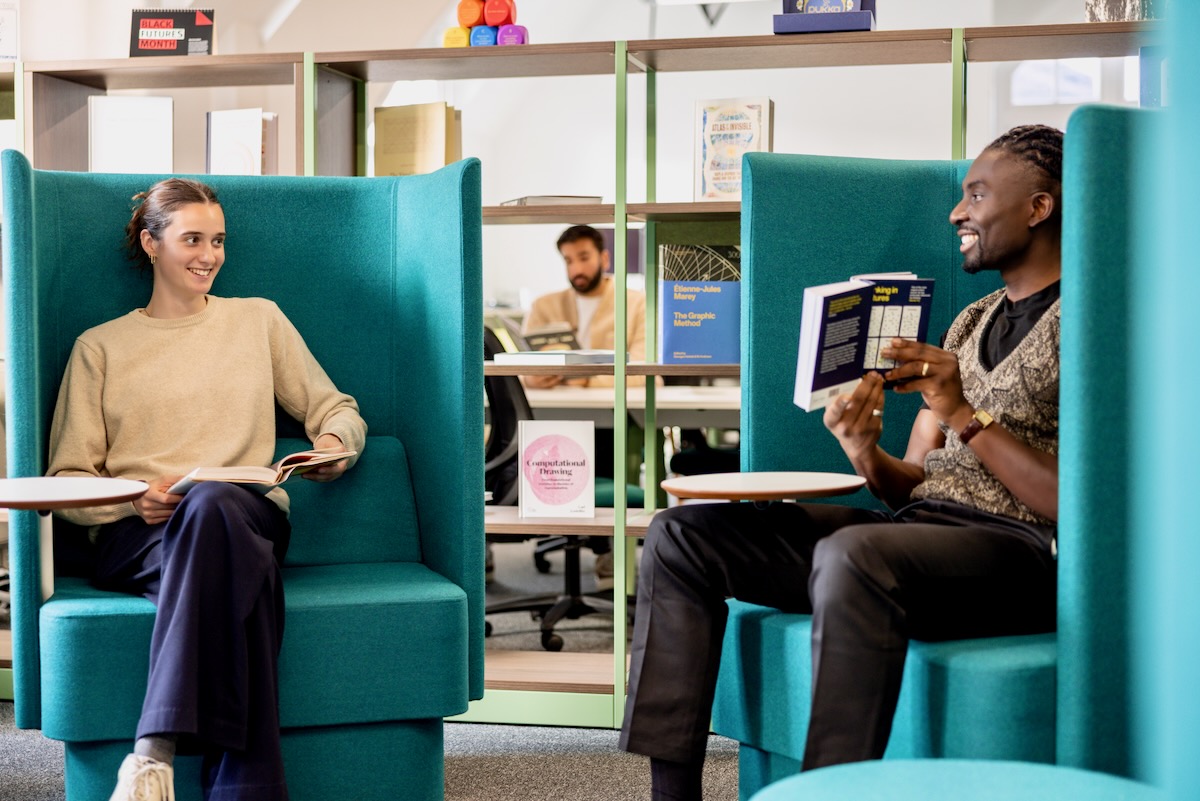
- dedicated Data Vis Labs at each institution;
- a one year taught training programme as a key foundation for an independent PhD;
- a constructivist approach to learning;
- generous funding to support and resource students in their work;
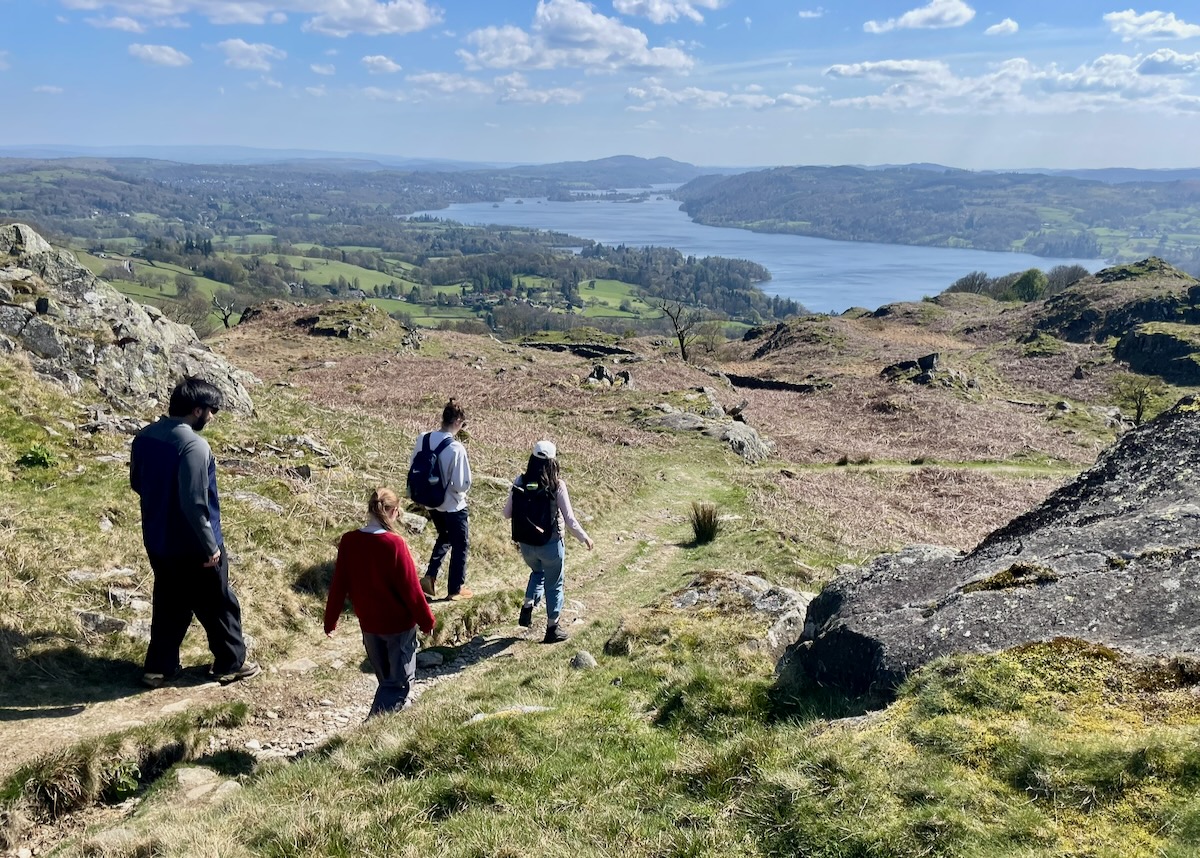
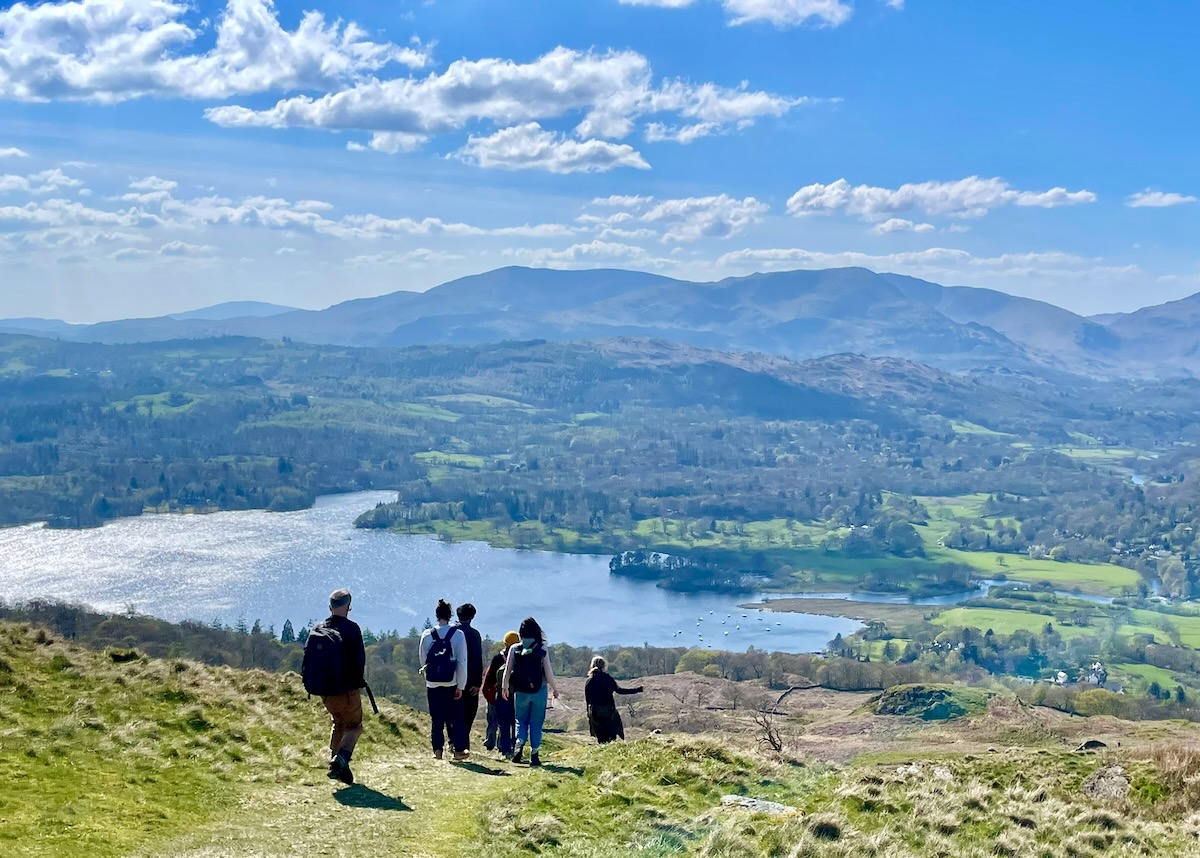
- workshops and residential activities - we recently returned from a glorious week of thinking, creating and walking in The English Lake District;
- internships and lab exchanges;
- active funded participation in international conferences and meetings;


With 5 annual cohorts of up to 12 PhD students each undertaking 4 years of study, and over 20 partners involved in a growing network of collaborators, we will be developing large numbers of researchers and significant quantities of research. Students will be completing their degree through structured components - using their applied experiences in visualization to develop viable original scientific knowledge through a digital PhD thesis. This requires hands on deck!
Our delivery team draws upon Academic Experts in visualization, HCI, creativity, design and related disciplines; Enterprise Experts in IP, knowledge transfer and commercialization, and three dedicated staff who run the CDT:
-
Dr. Nicola Kirkby is Centre Manager
-
Ashley Smith is Business Development Manager
-
Chidi Ekuma is Research Software Engineer (50%)
Note *80% of DIVERSE-CDT funding is from the government (UKRI / EPSRC), 10% from the host institutions and 10% from partner organizations.
The Research Scientist
Our final dedicated employee is central to all of this - the DIVERSE-CDT Research Scientist.
The Research Scientist is an innovative role that we like to describe as being an assistant professor, who mentors rather than lectures, has time to undertake research, and has minimal administrative responsibility. This is somebody who works in the lab to make science happen.
We want to shape this into an extremely attractive role for a research active early-career academic.
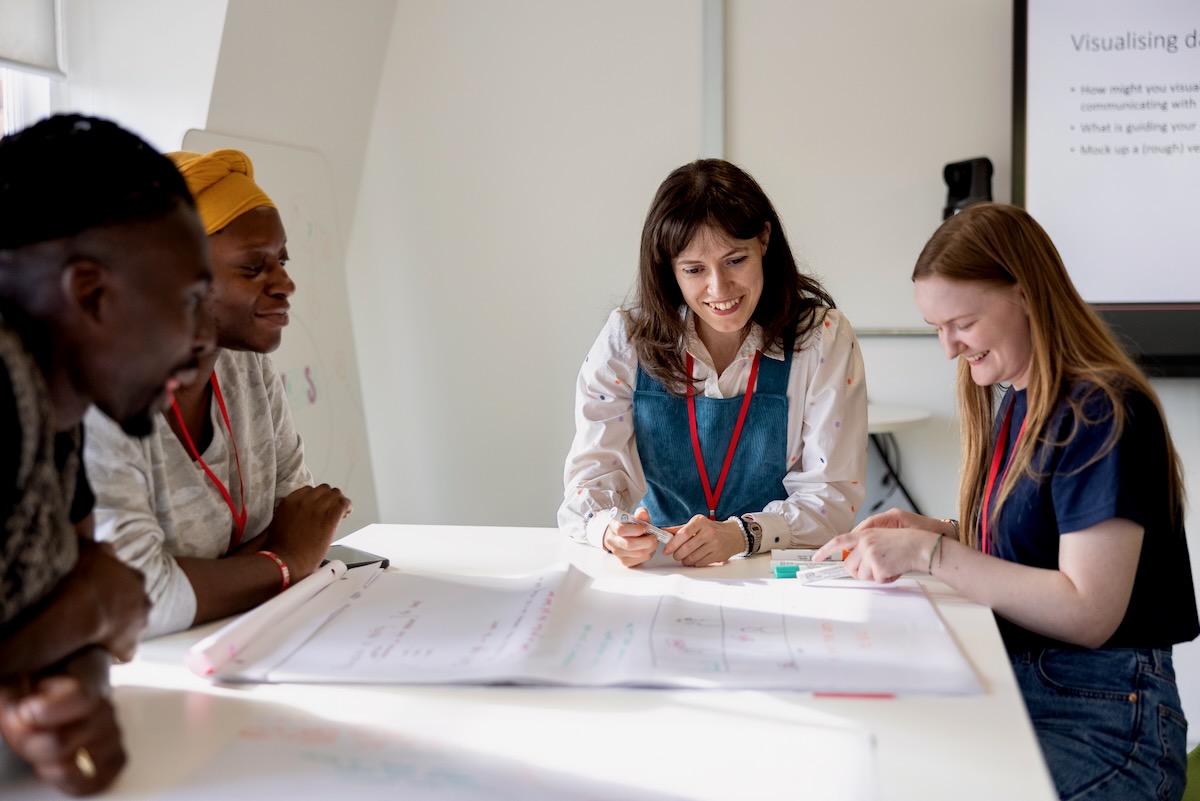
The Research Scientist will work with the institutional education leads (currently Prof. Jo Wood at City St George’s & Dr. Greg McInerny at UW) to provide essential support for students as they learn to be researchers - mentoring and advising them on a day-to-day basis in practical hands-on ways that complement the PhD supervision.
The RS will be an influential supportive presence in our collaborative research space. Primarily located in the Data Vis Lab at City St George's, they will build strong connections with students at both institutions, and occasionally visit the University of Warwick. They will be a first port of call who is always available to help students with: data management; data analysis; interpreting, communicating and relating existing science; developing scientific writing, outputs and approaches. As such, much of the activity will be in response mode, but they will also run some planned activities - workshops, seminars, reading groups and training sessions, in their key role as a scientific guide, research mentor and contributor to the research that develops in DIVERSE-CDT.
Co-design is core to DIVERSE-CDT visualization work, and we have the freedom and ambition to shape the role a with our Research Scientist to play to their strengths and as they develop.
This is a particularly important position given our diversification remit. The Research Scientist will identify and nurture students who require close support, scaffolding the learning of those who do not have a background in research with close guidance by offering help at hand as required. The RS is key to providing a rich and supportive scientific learning environment for all.
The Inspiration
Two of our delivery team (Dykes & Wood) are the product of a cohort based MSc training programme - the post-Chorley Report Regional Research Laboratories of the late 1980s and early 90s.
Both converted from non CS degrees through this programme and 35 years later are Professors of Computer Science. The role of a Research Scientist as a ‘first port of call’ at the Midlands Regional Research Laboratory was fundamental to their success and that of others in the training programme and this is our model: a researcher who is in ‘the Lab’ and 100% dedicated to supporting students in their development. We consider attendance, and in-person presence to be an important part of the Research Scientist role.
The Vision
This is a new academic position and a new role in many ways. We want it to be attractive to and fulfilling for ambitious academics, who will be supporting and developing 12 new PhD students per year in a position that persists for more than 7-years (up to 60 PhDs are planned at the two institutions in total).
We would like to frame this as the equivalent of a ‘Lectureship’ (Assistant Professor) that involves small class ‘seminar’ teaching, PhD only teaching (small workshops, occasional seminars at ‘Level 8’) and very limited administration or service responsibilities. It is a deeply research-oriented role that would enable the RS to develop research capabilities, publications and connections - with the team and the students and in line with their research ambition.
We would encourage the RS to take on external service roles (conference committees, etc.), to publish (as a co-author on student papers to which they have contributed, and individually as they develop their research profile, in line with CRediT and similar), and to have agency in terms of the directions in which their research develops and capacity to undertake this work.
This is a new type of role, at an innovative CDT, and the RS will have agency in developing it to meet their needs and the wider needs of DIVERSE-CDT. They will work closely with academics in Data Visualization and beyond at City St George's and the University of Warwick and be welcomed as a valued member of various research groups affiliated with DIVERSE-CDT at our institutions: giCentre, HCID, CIM, C2P2, etc.
We see this as an exciting and enabling space, both literally and figuratively, in which a capable researcher can develop themselves, those whom they mentor, and the Doctoral Training Centre to produce high quality visualization research. We hope to make it an excellent stopping point on (or launch pad for) a successful developing academic career.
In light of this, opportunities will be available for those wishing to develop a career as a lecturer through teaching, tutoring, mentoring and supervision activities designed to suit individuals in their career development. Such education contributions may focus on enhancing the taught postgraduate or undergraduate provision at City St George’s.
The Bottom Line
Is this something that might suit you, or somebody you know?
We want to hear from people with ideas, experience and energy: those committed to research and education and diversity, and visualization, who can make things happen.
We would love to talk to and hear from researchers who have an interest in learning more about, discussing and perhaps applying for the Research Scientist role.
And of course, if successful, we look forward to developing it with them.
Please spread the word and get in touch to chat: info@diverse-cdt.ac.uk
Jason DYKES
Co-Director DIVERSE-CDT
May 2026
See What We Can Change
